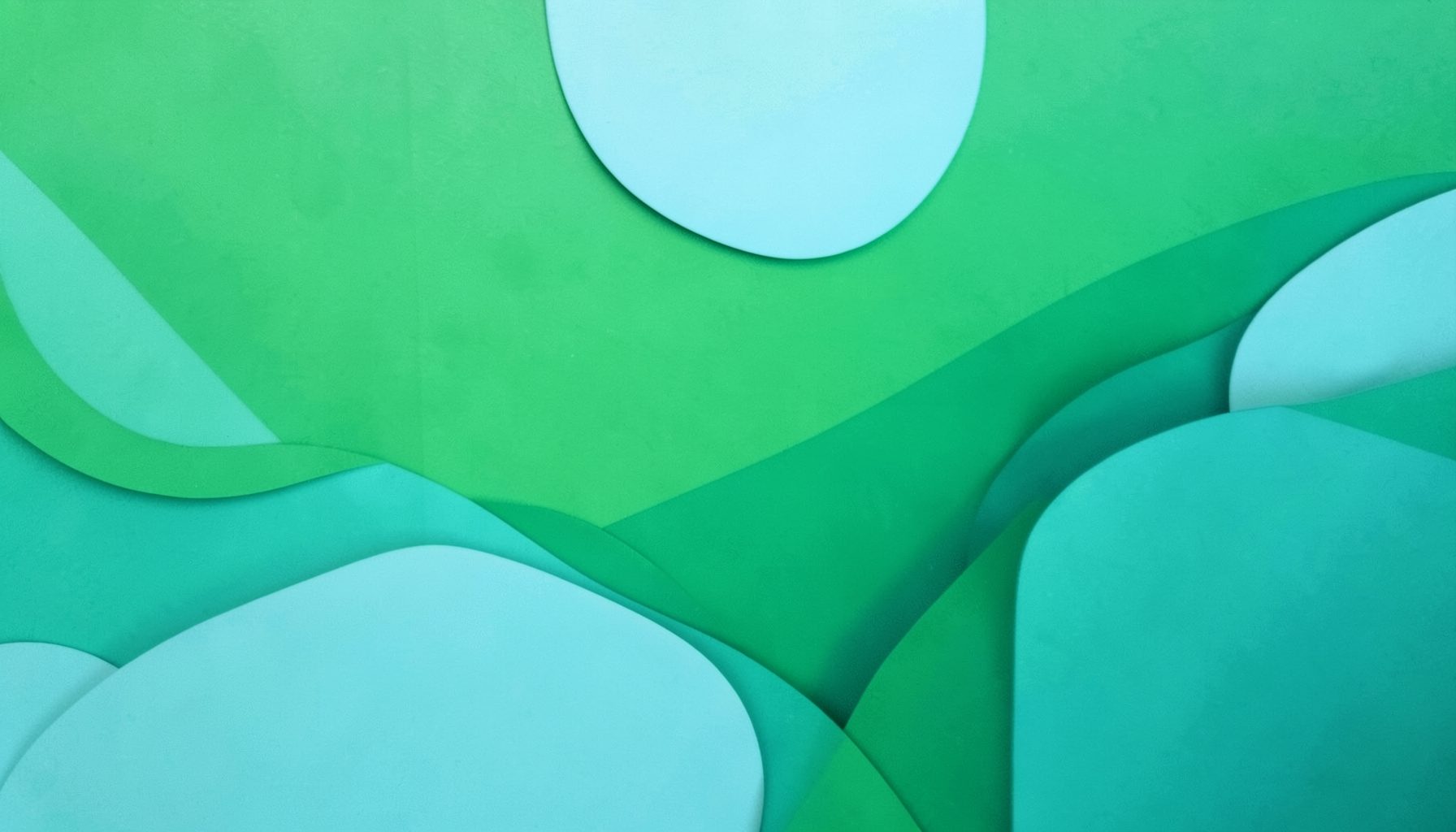
The Guide to Appreciating Abstract Art Without Training
Abstract art can seem distant when a painting offers no recognisable face, landscape or story to hold onto. A field of colour may look simple, while a chaotic arrangement of lines can appear impossible to interpret. That uncertainty is a normal starting point, not evidence that you lack artistic knowledge.
Appreciation begins with attention rather than expertise. You do not need to identify a movement, understand every reference or produce an impressive interpretation. You need time to notice what the work does to your eyes, body and imagination.
For Australian viewers, abstract art can be encountered in many settings: a major gallery in Melbourne, a regional exhibition in Ballarat, a mural in inner-city Sydney or a print purchased from a local artist online. The same basic method applies in each place: look carefully, stay curious and allow your response to develop.
Seeing Before Explaining
Start by postponing the urge to name the artwork. Spend a minute looking at its overall shape and atmosphere. Is it quiet, crowded, tense, playful, heavy or expansive? Your first response may be physical rather than verbal: you might feel drawn towards one corner, notice your breathing change or become aware of a strong sense of movement.
Next, identify the visual features that create that response. Look for edges, repeated forms, contrasts, gaps and changes in texture. A painting with a limited palette may rely on subtle differences between warm grey, blue-grey and white. A vivid work may use colour as its main source of rhythm. There is no requirement to decode a secret message before these observations count.
Try describing the work as if you were speaking to someone who could not see it. Mention its scale, dominant colours and arrangement without declaring what it represents. “Three dark shapes press against a pale field” is more useful than “It is about sadness” because it keeps your attention close to what is actually present.
A Practical Looking Method
The simplest way to approach a non-representational artwork is to move through three stages: notice, connect and reflect. First, list visible details. Second, consider how those details relate to one another. Third, ask what kind of experience the arrangement creates for you. This structure gives your mind something to do without turning art viewing into an exam.
Distance also matters. Stand close enough to see brushwork or surface changes, then step back until the entire composition enters your field of vision. From nearby, a work may become a collection of marks; from several metres away, those marks may resolve into a balanced mass or a restless pattern. Galleries such as Melbourne’s National Gallery of Victoria often give viewers enough space to test this change in perspective.
Time can alter the work further. At first glance, you may notice only a dominant colour. After a few minutes, a small interruption, faint line or uneven boundary may become important. If the artwork is in your home, let it occupy the room for several days before deciding whether you like it. Familiarity can reveal qualities that a quick online image cannot show.
Colour, Shape And Movement
Colour is rarely just decoration in abstract art. It can establish temperature, depth and emotional pressure. Red may feel urgent, although it can also appear earthy or calm beside the right brown. Blue may suggest distance, yet a dense blue surface can feel almost physical. Rather than relying on fixed symbolism, consider how colours behave together in this particular work.
Shape creates emphasis and hierarchy. Large forms usually arrive first, while small marks may reward longer attention. Look at whether shapes overlap, float, collide or leave generous spaces between them. A composition can feel stable when its visual weight is evenly distributed, or unsettled when one heavy form appears to pull everything towards an edge.
Movement does not require literal motion. Diagonal lines, repeated curves and directional brushstrokes can make the eye travel. Even a geometric painting may create a visual pulse through alternating blocks or recurring intervals. The artwork’s rhythm can be compared with music: some works feel percussive and abrupt, while others unfold like a sustained note.
Context Without Gatekeeping
Learning a little context can deepen appreciation, provided it does not replace personal observation. Abstract art includes many approaches: geometric abstraction, gestural painting, colour-field work, minimalism, abstraction inspired by landscape and practices connected to cultural traditions. These categories are useful signposts, not rigid boxes.
Titles and artist statements can offer another entry point. Read them after your first viewing rather than before it, so the information expands your response instead of dictating it. A title such as After Rain might make you notice translucent layers or reflective marks that you initially overlooked. It does not make every possible interpretation correct.
Social and political context can matter too. Posters, lettering and public graphics show how visual language communicates outside museums; this street-sign typography is a good reminder that bold form and colour can carry collective feeling. When viewing First Nations art in Australia, seek information from the exhibiting institution and respect the specific cultural context rather than treating Indigenous visual traditions as a general style resource.
Making Space For Uncertainty
A common barrier is the belief that abstract art has one correct meaning. Some artists have a clear intention, but the finished work also meets the viewer’s memories, expectations and habits of attention. Your interpretation can be personal without being arbitrary if it is grounded in details you can point to.
It is also acceptable to dislike a respected artwork. Critical appreciation does not mean forcing admiration. You might recognise that a painting is carefully constructed while finding its surface irritating or its scale overwhelming. Separating “I do not enjoy this” from “this has nothing to offer” makes room for a more precise judgement.
Uncertainty can become part of the pleasure. A work may shift between appearing architectural, biological and atmospheric. Instead of choosing one label immediately, keep several possibilities in play. This openness is especially valuable in contemporary art, where artists may intentionally question the boundary between image, object, environment and idea.
Buying And Viewing In Australia
Australian audiences have access to a broad mix of public galleries, artist-run spaces, commercial dealers and online marketplaces. Major institutions in Sydney, Melbourne, Brisbane and Canberra can provide free or low-cost encounters with significant collections, while regional galleries often present local artists alongside touring exhibitions. Open studios and weekend art trails offer a more direct connection with the people who make the work.
When considering a purchase, look beyond the image on a screen. Ask about dimensions, framing, materials, edition size, shipping conditions and whether the work is an original painting or a reproduction. Australian homes often have strong natural light, compact walls and open-plan living areas, so scale and glare can affect how a piece is experienced. A work that looks balanced in a white gallery may need careful placement beside a window or textured wall.
The legal and financial details deserve attention. Australian Consumer Law generally applies when you buy from a business, including protections concerning descriptions and acceptable quality; private sales can involve different expectations. For original works, prints and digital pieces, clarify what rights you are receiving. Purchasing an artwork does not usually transfer copyright, which remains governed by the Copyright Act 1968 unless rights are separately assigned. Keep invoices, certificates and written agreements, particularly for higher-value work.
| What You Are Viewing | What To Notice First | A Useful Question |
|---|---|---|
| Geometric abstraction | Repetition, proportion and alignment | Where does the eye find order? |
| Gestural painting | Brushwork, speed and layered marks | What kind of movement does the surface suggest? |
| Colour-field work | Expanses of colour and tonal shifts | How does the atmosphere change as you keep looking? |
| Mixed-media abstraction | Materials, texture and physical depth | Which elements seem painted, attached or worn? |
| Abstract sculpture | Volume, balance and surrounding space | How would the work change as you moved around it? |
| Digital or generative art | Pattern, variation and screen-based effects | What role does technology play in the visual experience? |
Build A Personal Practice
Regular viewing develops confidence faster than memorising terminology. Visit one exhibition and choose a single work to study for five minutes. Write down five observations, three associations and one detail you almost missed. Repeat the exercise with a work you dislike; resistance can reveal your preferences more clearly than immediate enjoyment.
You can also compare different versions of abstraction in everyday life. Notice the geometry of apartment balconies in Sydney, the layered colours of a Melbourne tram stop, shadows across a Brisbane pavement or the irregular patterns of a coastal landscape. These observations do not turn daily scenery into art automatically, but they train your eye to recognise relationships between shape, light, rhythm and space.
Habits That Strengthen Your Eye
- Look at an artwork once from a distance and once from close range.
- Describe visible features before assigning a story or emotion.
- Notice which colour, line or shape your eye returns to repeatedly.
- Read the label and artist statement after forming an initial response.
- Compare the original work with its reproduction on a phone or laptop.
- Keep brief notes on artworks that continue to occupy your thoughts.
The aim is not to become an expert overnight. It is to become more attentive to visual choices and more comfortable with your own response. Abstract art rewards repeated encounters because its meaning often develops through duration, memory and changing circumstances.
Choose a gallery, studio visit or online exhibition this week and give one artwork your undivided attention. Let your first reaction be incomplete, record what changes as you look, and return to the piece with fresh eyes. That simple practice is enough to begin building a confident, personal relationship with abstraction.