The Art Of The Digital Collage In The Post-Internet Age
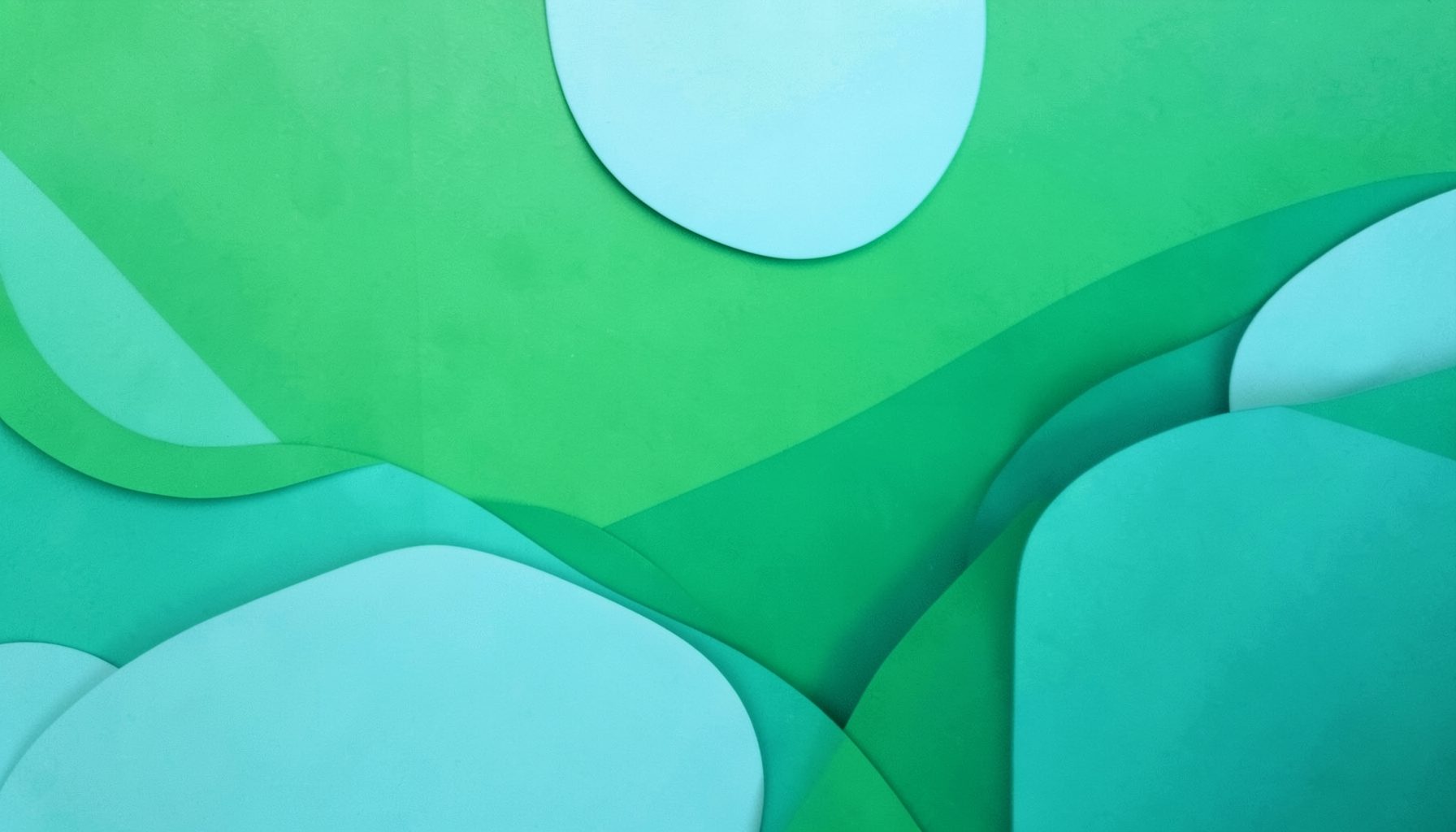
Digital collage has become one of the clearest visual languages of contemporary life. It reflects how people now encounter the world: in fragments, across browser tabs, phone screens, archives, advertisements, family photographs, memes and half-remembered images. A single composition can hold a personal memory beside a political headline, a Renaissance gesture beside a 3D-rendered object, or a scanned bus ticket beside a synthetic landscape.
This layered approach is more than a stylistic effect. It is a way of thinking about culture when images are constantly copied, recontextualised and circulated. For artists, designers and viewers, the digital collage offers a space to question ownership, memory, identity and the strange intimacy of online life. Its power comes from the tension between separate elements and the new meaning created when they meet.
Layers As A Way Of Thinking
A collage rarely explains itself in a straight line. Instead, it asks the eye to move between visual clues. A torn edge may suggest loss, while an oversized hand can introduce a sense of control or surveillance. A blank area might be as meaningful as a crowded cluster of images. Meaning develops through proximity, contrast and interruption.
This makes collage especially suited to the post-internet age. Online experience is built from overlapping contexts: a message arrives while music plays, a news story sits beside a shopping recommendation, and a personal photograph may be viewed through the same screen as a war archive. Digital artists translate this condition into visual form by allowing multiple timelines and realities to occupy the same surface.
The technique also makes room for uncertainty. A collage does not have to resolve every symbol or establish a single point of view. Its open structure can reflect the way people understand identity today, through fragments gathered from family history, popular culture, geography and digital communities.
From Cut Paper To Browser Window
The roots of collage reach back through Cubist experiments, Dada photomontage, Surrealist juxtaposition and the handmade traditions of scrapbooking and assemblage. Artists used scissors, glue, found photographs and printed ephemera to disrupt the authority of a single image. The cut itself mattered: a rough edge revealed that the picture had been taken apart and rebuilt.
Digital tools changed the scale and speed of this practice. Layers can be duplicated, masked, recoloured and rearranged without damaging the original material. A designer can combine a public-domain engraving with a photograph taken on a smartphone, then add typography, code-generated forms and scanned textures. The result may appear seamless, yet the best work often keeps evidence of its construction.
That evidence can take the form of compression artefacts, cursor-like shapes, transparent windows, pixelated details or deliberately awkward scaling. These marks remind viewers that the image has travelled through software and networks. The collage becomes both picture and interface, a surface where human decisions and machine processes remain visible.
Images Carry Social Memory
Every borrowed image brings a history with it. A building, portrait, map or advertisement can carry associations that exceed its original purpose. When an artist removes an image from its first setting, those associations do not disappear. They become part of the work’s emotional and political charge.
This is why visual research matters. An old photograph sourced from a library archive may represent a particular class, community or colonial viewpoint. A stock image may reproduce a commercial fantasy of happiness. A screenshot from social media can preserve the mood of a moment while also exposing the pressures of public performance. Digital collage gains depth when artists investigate where images came from and what they were designed to do.
Architecture offers a useful example. Ruined structures often become symbols of disappearance, but they can also reveal survival, adaptation and contested memory. A thoughtful exploration of architectural memory can help collage-makers approach buildings as carriers of layered histories rather than decorative backdrops. Fragments of facades, plans and domestic interiors can suggest who was included in a place and who was pushed out.
Australian Scenes In Composite Form
Australia offers rich material for this kind of image-making because its visual culture contains overlapping histories and striking contrasts. A collage might place a suburban brick veneer beside a digital map of the Great Barrier Reef, or combine a faded milk bar sign with contemporary tower cranes in Sydney. The familiar can become strange when viewed through several time periods at once.
In Naarm/Melbourne, laneway murals, tram notices, gallery posters and weathered shopfronts provide a dense archive of urban surfaces. In Sydney, harbour views and glossy property imagery can be set against housing pressure, construction fencing and the changing character of inner-city neighbourhoods. These details allow artists to explore how a city markets itself and how residents actually experience it.
Australian collage also needs cultural care. Aboriginal and Torres Strait Islander visual traditions are living knowledge systems, not a free supply of patterns or symbols. Artists working with Indigenous material should follow community guidance, acknowledge sources and avoid treating sacred imagery as an aesthetic texture. Locality becomes more meaningful when it is grounded in relationships, listening and accurate attribution.
The country’s creative market adds another layer. Independent artists sell prints through small online shops, weekend design markets and events such as Melbourne’s Finders Keepers, while illustrators often move between editorial commissions, music artwork, publishing and motion design. An image may need to function as a poster, an Instagram tile, a gallery print and a product package, making adaptability part of its visual language.
Tools, Texture And Deliberate Friction
Software can make digital collage feel unlimited, but abundance can weaken an image. A strong composition usually depends on restriction: a limited colour palette, a fixed number of source images, one recurring shape or a rule about scale. Constraints create rhythm and prevent the work from becoming a catalogue of effects.
Texture plays an important role in keeping the image tactile. Scanned paper, dust, paint marks, fabric, handwriting and imperfect shadows can create a sense of physical presence. Some artists photograph torn materials before importing them into a digital workspace. Others introduce analogue flaws after editing by printing, folding, scratching and rescanning the result.
This back-and-forth process is particularly effective in a culture that often presents digital images as frictionless. A warped fold or misregistered colour reminds viewers that visual communication has a material history. Even a highly polished work can benefit from a small disruption that slows down the eye.
Generative tools have expanded the field again. Artificial intelligence can produce imagery at remarkable speed, but speed does not replace judgement. Artists need to decide which outputs deserve attention, what visual references have been absorbed into a system, and how much uncertainty should remain in the final piece. The human role shifts from making every mark manually to shaping the conditions, selections and relationships that give an image purpose.
Ethics Of Remix And Attention
Remix culture depends on circulation, yet circulation does not erase responsibility. An image found online may be copyrighted, privately made or connected to a vulnerable person. Using it without permission can turn a work about connection into an act of extraction. Artists should distinguish between material that is genuinely available for reuse and material that has simply been made easy to download.
Attribution can be part of the artwork rather than an administrative afterthought. Credit lists, source notes, links and process journals help viewers understand how a composition was assembled. They can also reveal the difference between transformation and simple recycling. A collage becomes more persuasive when its visual argument is matched by an honest account of its sources.
Attention is another ethical concern. Digital platforms reward immediate impact, visual intensity and constant novelty. Artists may feel pressure to make every image louder than the last. Yet quiet compositions, considered pacing and ambiguous symbols can resist the demand to perform instantly. A work does not need to imitate the speed of the feed in order to speak about it.
For Australian creators, questions of access also matter. Independent artists often balance commercial commissions with personal practice, while the cost of software, equipment, studio space and exhibition fees can be substantial. Free and open-source tools, community print studios and shared workshops help broaden participation, especially outside the major cultural centres.
Building A Visual Language That Lasts
A memorable collage has internal logic. It may repeat a particular type of line, favour certain archival materials or return to a set of symbols: windows, maps, hands, clouds, receipts or fragments of text. These choices create continuity across a body of work and allow viewers to recognise an artist’s concerns without relying on a signature style alone.
The strongest images also understand scale. A tiny object can become emotionally dominant if it is isolated, while a monumental form can lose its force when surrounded by competing details. Negative space gives the viewer room to make connections. Layering is not the same as filling every available area; it is the careful arrangement of visual pressure and release.
Typography often provides the bridge between image and argument. A single word can anchor a composition, but fragmented phrases may better express uncertainty or interruption. Found text carries its own tone, whether it comes from a council notice, a family letter, a sports headline or a product label. In Australia, the contrast between official language and everyday speech can be especially revealing: bureaucratic phrases sit uneasily beside informal expressions such as “no worries” or “arvo”.
Digital collage can also move beyond the static frame. Animated layers, scroll-based sequences, projection, augmented reality and interactive websites allow meaning to unfold over time. The work may behave like an archive, a map or a conversation rather than a single finished image. For a creative culture publication such as Red88b’s cultural lens, this expanded form reflects the way art now crosses disciplines and communities.
The future of collage will likely involve greater collaboration between artists, programmers, archivists and audiences. Its central principle will remain simple: place distinct things together and pay attention to what appears between them. That space between layers is where memory becomes interpretation, and where familiar images can begin to speak differently.
Explore the materials around you with patience: a tram ticket, a family snapshot, a building notice, a screenshot, a piece of packaging or a photograph of a changing street. Gather them carefully, learn their histories, and let their differences remain visible. Then build an image that does more than decorate the screen—one that gives scattered experience a new, questioning form.